Our story
Every day, millions of patients see their doctors, and almost none of those visits move medicine forward. It wasn’t always this way.
1856
Act I. The origin
When research was the routine.
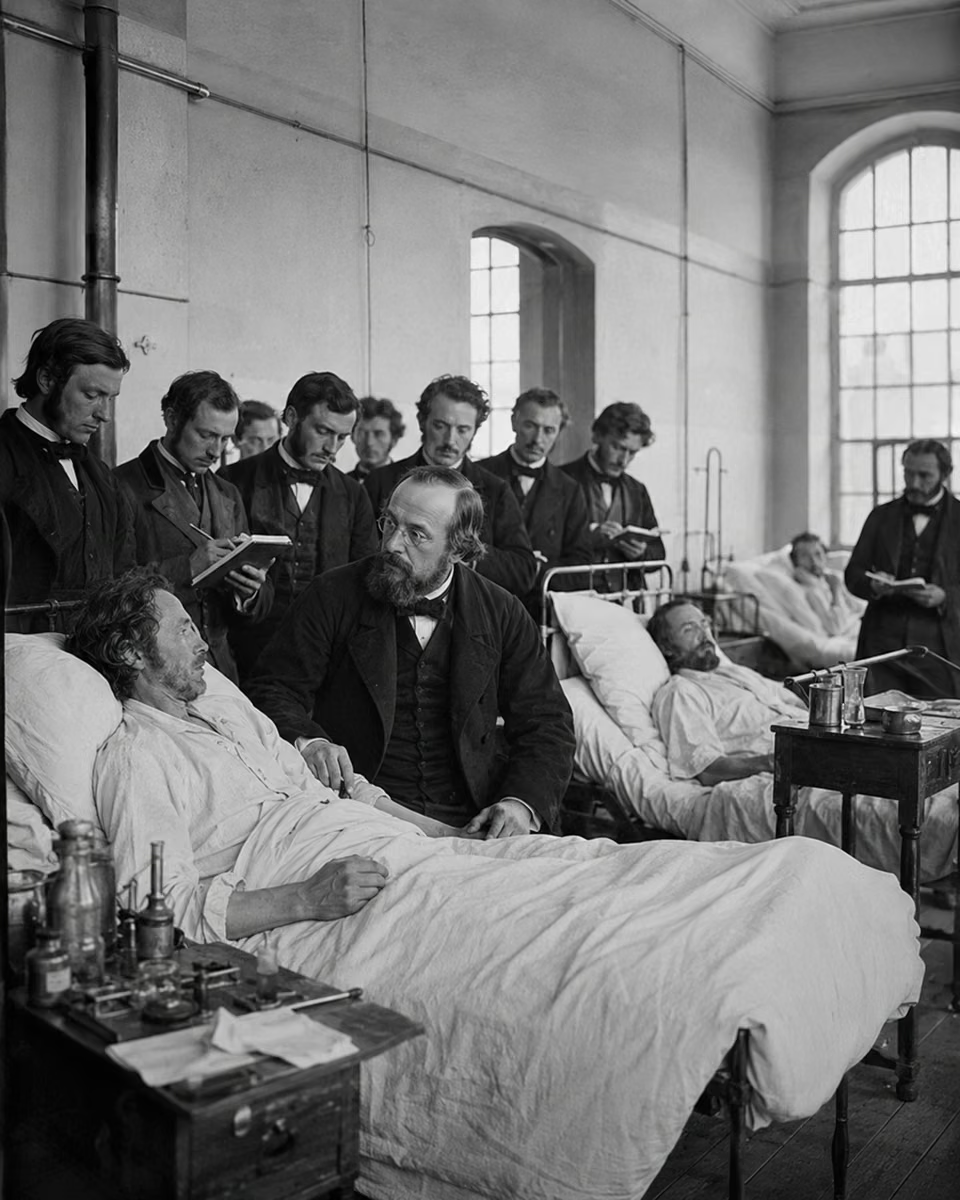
At the Charité in Berlin, Rudolf Virchow made science part of the ward round. Every patient seen was a chance to understand disease a little better. Care and discovery were the same work, done by the same hands, in the same rooms.
 I.
I.
2000
Act II. The drift
Then we started counting.
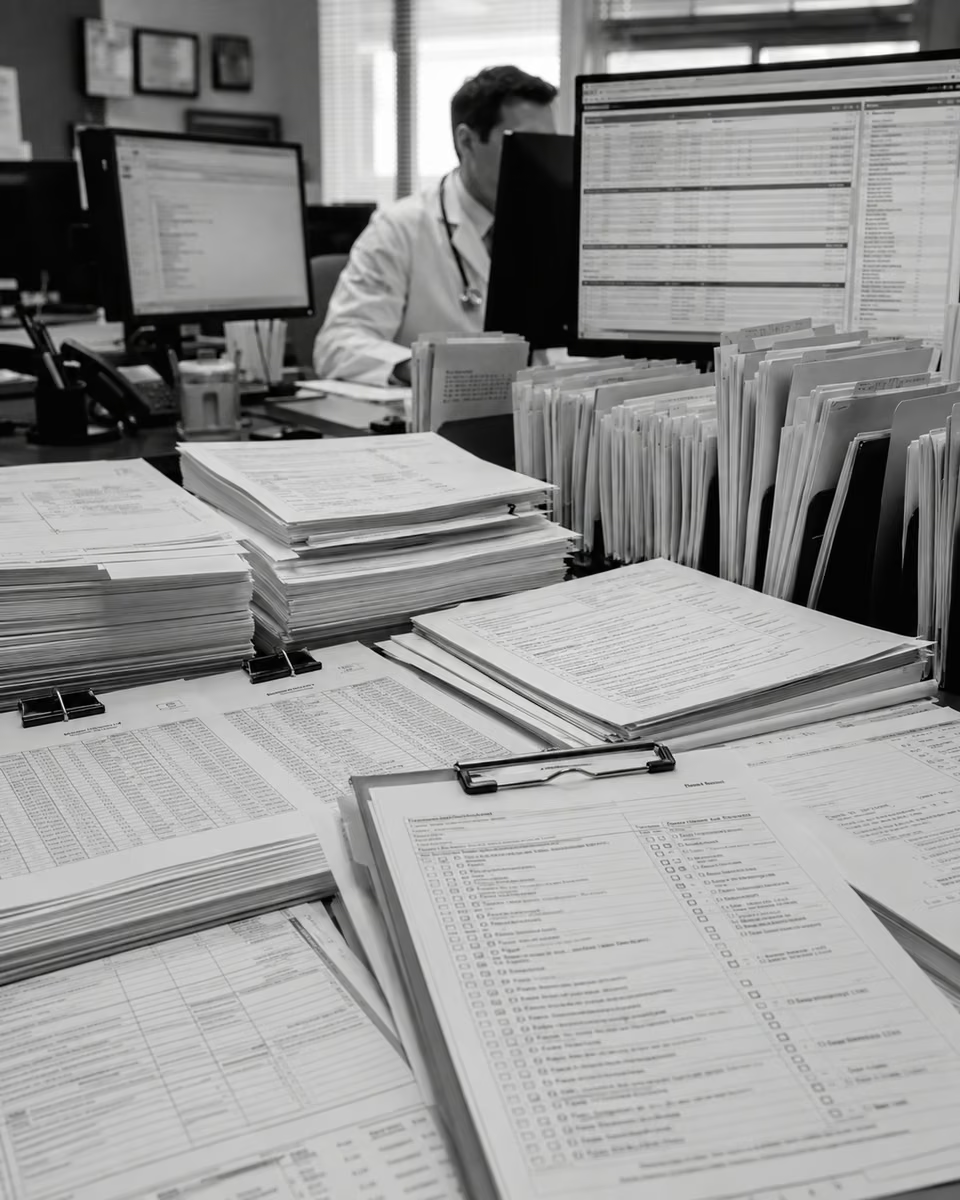
Germany rebuilt hospital funding around diagnosis-related groups, and medicine learned to count procedures instead of outcomes. Time became the scarcest thing in the practice. Research moved out, into dedicated centers. The daily routine, for all its effort, stopped adding to what we know.
 II.
II.
Today
Act III. The return
The way back runs through the practice.
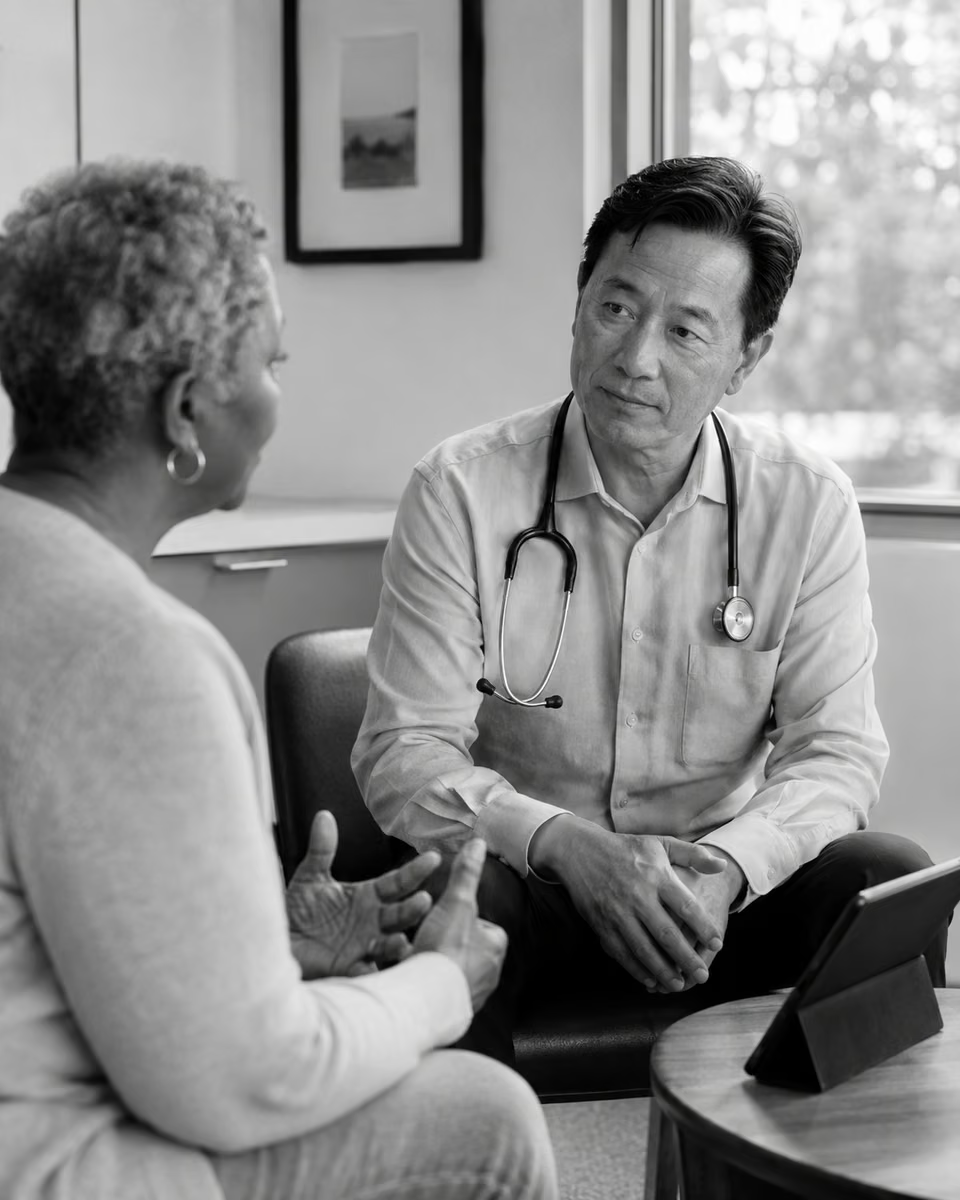
Ivelion returns clinical trials to everyday medicine. Patients are matched to trials inside the practices they already visit, so progress becomes, once again, a side effect of good care.
 III.
III.